How Commercial Property Owners Can Reduce Tree Liability Risks
How Commercial Property Owners Can Reduce Tree Liability Risks
Trees can add shade, curb appeal, and value to a commercial property, but damaged, declining, or poorly maintained trees can also create hazards around buildings, parking areas, sidewalks, employees, tenants, customers, and vehicles.
Managing tree-related hazards can help commercial property owners reduce avoidable risks around people and property. This article focuses on practical tree-risk management and maintenance, not legal advice or a guarantee against tree failure.
For commercial properties in Utah County, a consistent approach to tree care can be especially useful when managing mature trees, high-traffic areas, storm damage, construction activity, and landscaped commercial grounds.
How Can Commercial Property Owners Reduce Tree-Related Risk?
Commercial property owners can reduce tree-related risk by inspecting trees regularly, prioritizing trees near people and structures, addressing dead or damaged branches, checking trees after storms or construction, maintaining appropriate clearance, and having concerning trees professionally evaluated.
The goal is to identify problems early and address the highest-priority conditions before they develop into more serious hazards.
What Creates Tree Liability Risks on a Commercial Property?
Tree risk involves more than whether a tree or branch could fail. The location of the tree and what could be affected also matter.
A damaged branch over an unused landscaped area may present a different concern than a similar branch above a busy entrance, parking area, sidewalk, or building.
Commercial properties may have numerous potential targets, including customers, employees, vehicles, buildings, and pedestrian areas.
Property owners should pay particular attention to trees near:
- Building entrances and exits
- Parking lots
- Sidewalks and pedestrian routes
- Roads and driveways
- Outdoor gathering areas
- Tenant spaces
- Utility lines
- Signs and structures
- Areas where employees or customers spend time
Identifying both tree conditions and the people or property that could be affected is an important part of tree-risk management.
Schedule Regular Tree Inspections
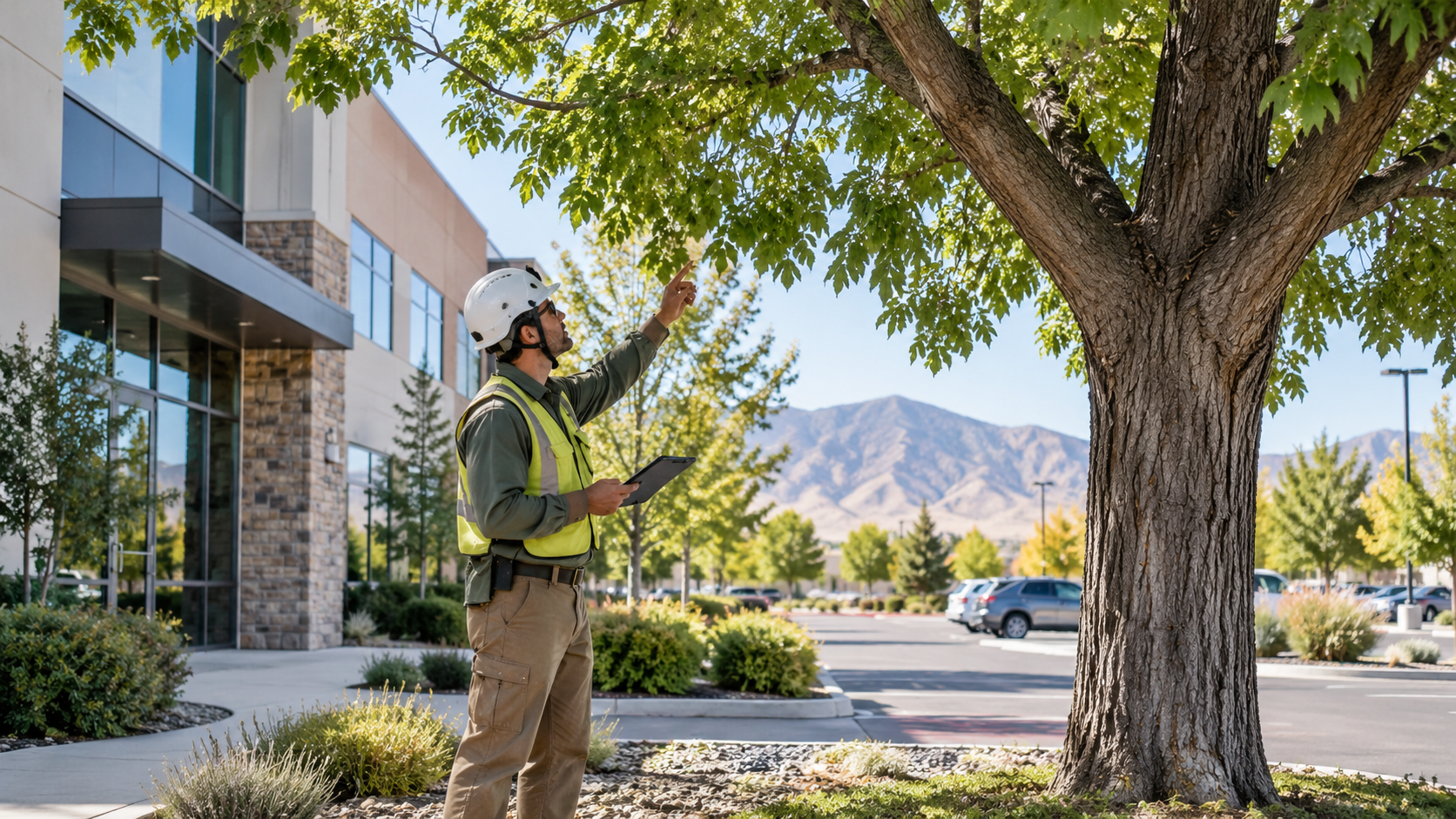
One of the most useful ways to manage commercial tree risk is to identify developing problems before they become emergencies.
Property owners and managers should periodically look for visible changes such as:
- Dead or hanging branches
- Cracks or splits in trunks or major limbs
- Significant decay
- Fungal fruiting bodies, such as conks or mushrooms, on or near the trunk or root flare
- Sudden leaning
- Visible root damage
- Broken branches after storms
- Major changes in canopy density
- Branches interfering with buildings or pedestrian areas
A basic visual review does not replace a professional evaluation, but it can help property managers recognize when a tree deserves closer attention.
Prioritize Trees Near High-Use Areas
Trees near areas with frequent pedestrian or vehicle activity often deserve closer attention because more people or property could be affected if a branch or tree fails.
Trees Over Parking Areas
Dead, broken, or structurally concerning limbs above parked vehicles should be evaluated because they may affect vehicles or people entering and leaving them.
Trees Near Entrances and Sidewalks
Branches above busy pedestrian areas should be monitored for deadwood, structural concerns, and appropriate clearance.
Trees Near Buildings
Branches rubbing against roofs, walls, signs, or other structures may require pruning to maintain appropriate clearance.
Trees Near Roads and Driveways
Trees should not create avoidable sight-line or clearance problems for vehicles and pedestrians.
Address Dead, Broken, and Structurally Weak Branches
Dead and broken branches are among the clearest conditions that may require attention.
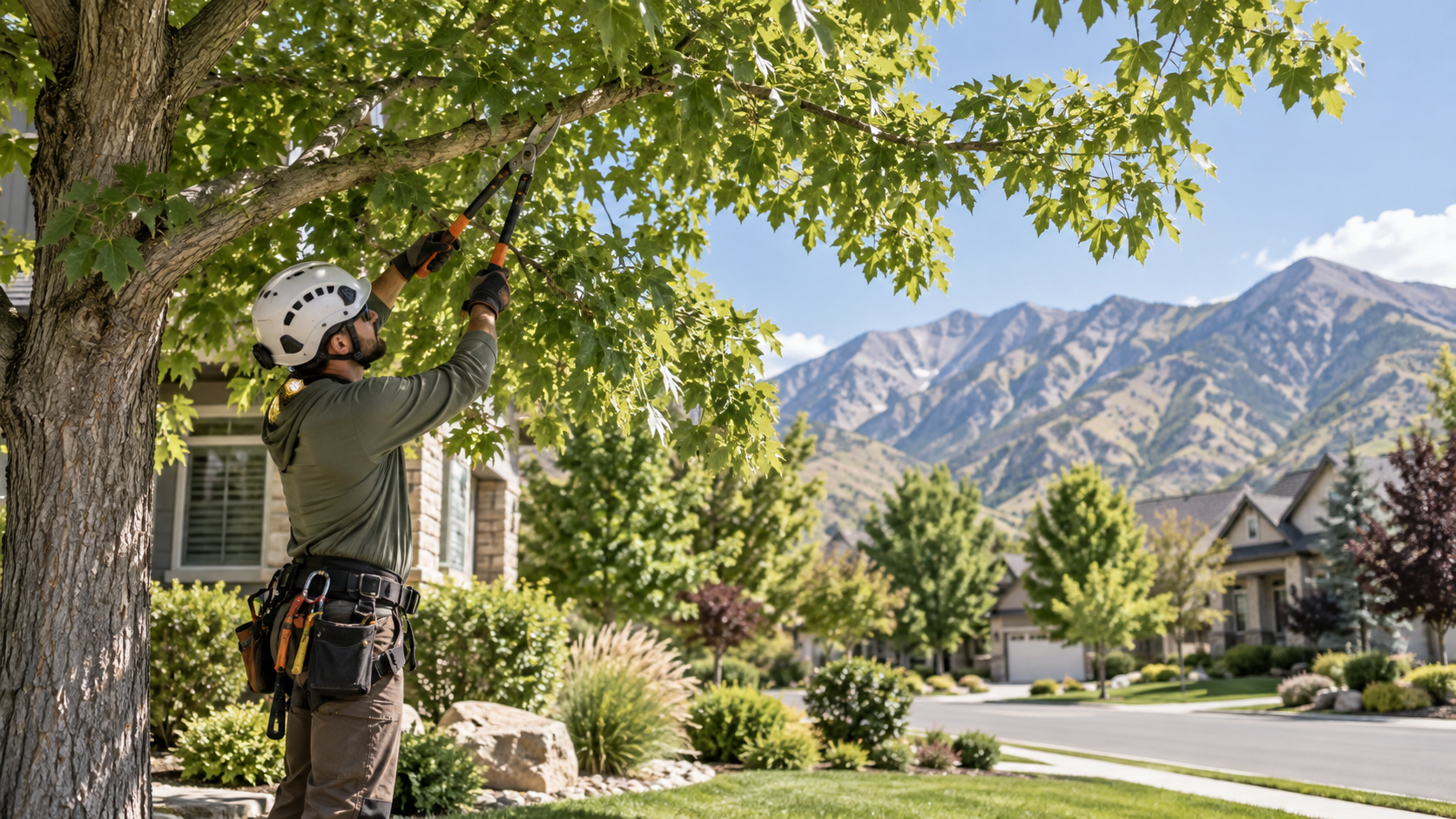
Professional pruning can remove branches that are dead, damaged, poorly attached, or interfering with important areas of the property.
However, pruning should be targeted rather than simply removing large amounts of canopy. Inappropriate pruning can weaken a tree instead of improving its condition.
Peterson Tree Care provides tree trimming and pruning services that include structural pruning, deadwooding, thinning, crown reduction, canopy cleaning, crown raising, shaping, and other pruning methods.
Know When Pruning May Not Be Enough
Not every concerning tree condition can be adequately addressed through pruning.
A tree may require closer professional evaluation when it has:
- Major trunk decay
- Severe root damage
- Significant structural defects
- Extensive storm damage
- Large cracks or splits
- Serious instability
- Significant decline
- Multiple defects near a high-use area
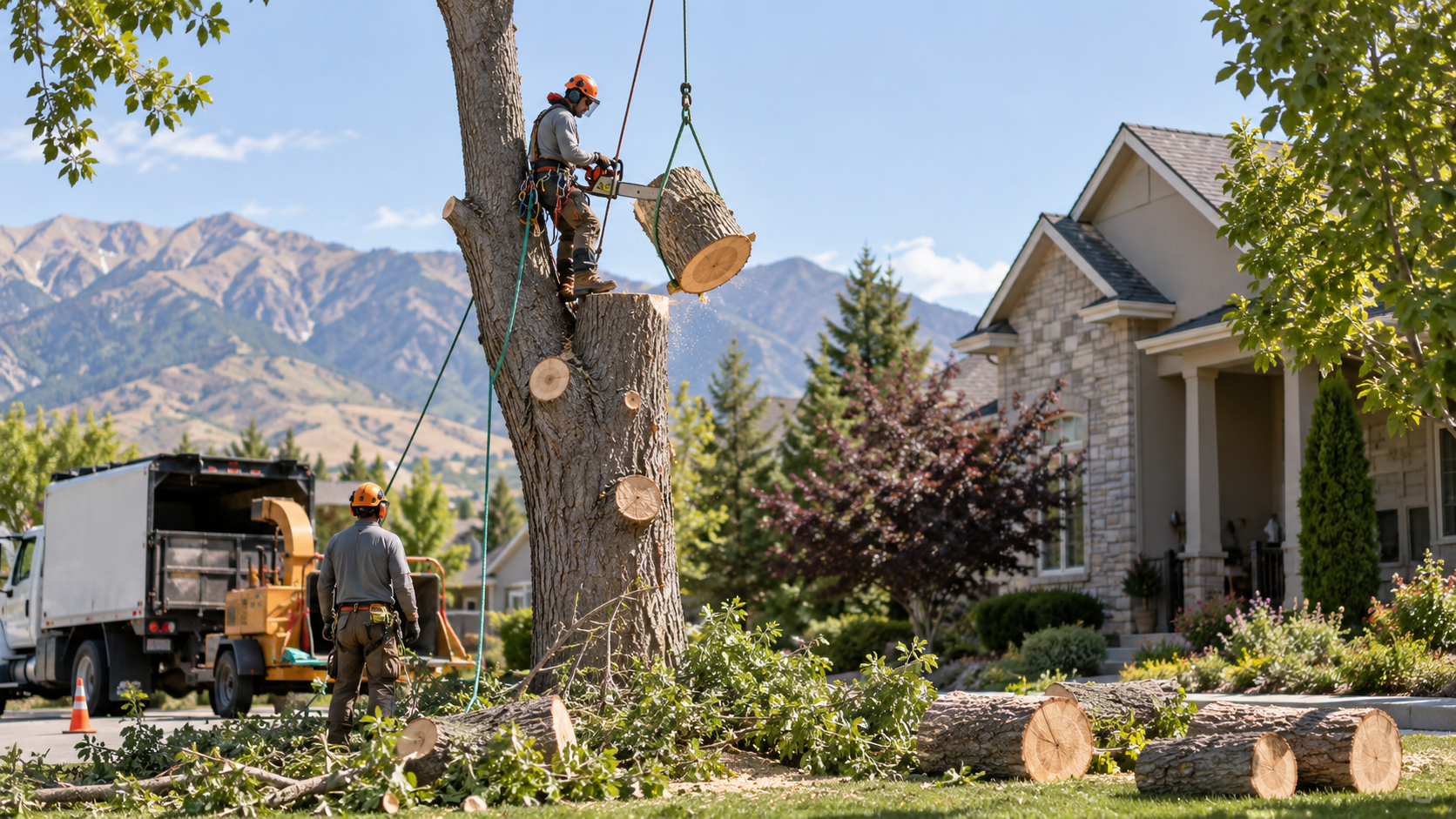
Tree-risk mitigation can involve several approaches depending on the condition, including pruning, managing potential targets, support systems, monitoring, or removal.
Tree removal should be based on the condition of the tree, its location, and the surrounding targets rather than automatically removing every mature or imperfect tree.
Pay Attention After Storms
Storms can quickly change the condition of trees on a commercial property.
Wind and severe weather may break limbs, expose structural weaknesses, or alter the stability of a tree.
After significant weather, property managers should look for:
- Newly broken or hanging branches
- Split limbs
- Changes in tree lean
- Visible root movement
- Partially failed trees
- Branches resting on structures
- Trees or branches contacting utility lines
Keep people away from visibly unstable trees, and never approach damaged electrical lines.
Peterson Tree Care provides emergency and storm-related tree services for situations that require professional attention.
Protect Trees During Construction and Property Improvements
Construction activity can affect trees in ways that are not immediately obvious.
Excavation, grading, pavement work, heavy equipment, trenching, and changes to drainage can affect roots and surrounding soil.
If a commercial property is being renovated or expanded, consider existing trees before work begins.
Avoid:
- Storing heavy materials over root zones
- Repeated equipment traffic beneath trees
- Cutting major roots without professional evaluation
- Adding or removing large amounts of soil around established trees
- Damaging trunks with machinery
Trees affected by construction may deserve professional evaluation even when the canopy initially appears healthy.
Maintain Appropriate Clearance
Clearance is another important part of commercial tree management.
Branches may require pruning when they interfere with:
- Buildings
- Roofs
- Signs
- Parking areas
- Sidewalks
- Roads
- Lighting
- Sight lines
Maintaining appropriate clearance can reduce conflicts between trees and the built environment while preserving healthy tree structure.
The presence of a branch above a building does not automatically mean it needs to be removed. The branch’s health, attachment, clearance, structure, and surrounding targets should guide the decision.
Be Careful With Trees Near Utility Lines
Trees near energized utility lines require specialized attention.
Property owners should not attempt to prune or remove branches near power lines themselves. When tree parts contact or approach utility infrastructure, determine who owns or manages the line and contact the appropriate utility when necessary.
Peterson Tree Care lists municipality line-clearance services with certified line-clearance operators among its current services.
Keep Basic Tree Maintenance Records
For larger commercial properties, basic records can make tree management more organized.
Useful information may include:
- Approximate tree location
- Date reviewed
- Visible concerns
- Recommended work
- Date pruning or removal was completed
- Storm-related changes
- Follow-up recommendations
Documentation does not eliminate risk or determine legal liability. It can, however, help property managers track tree conditions and completed maintenance over time.
Questions about specific legal duties or liability should be directed to qualified legal counsel.
Create a Proactive Tree-Risk Review Process
Commercial property managers do not need to treat every tree the same way.
A practical risk-focused process can include:
- Review trees around high-use areas periodically.
- Have concerning trees evaluated professionally.
- Prioritize deadwood, structural concerns, and clearance conflicts.
- Recheck trees after significant storm damage.
- Reevaluate trees affected by construction or major landscape changes.
- Consider removal when an unacceptable risk cannot reasonably be reduced through other measures.
- Keep basic records of completed work and follow-up needs.
This helps property managers focus attention on conditions that matter most.
Commercial Tree Care in Utah County
Peterson Tree Care services commercial properties in Utah County and provides tree trimming, tree removal, tree health consultations, high-risk trimming and removal, emergency and storm work, and related tree-care services.
A professional evaluation can help determine which trees need maintenance, which conditions deserve monitoring, and which problems require more immediate attention.
Need Help Managing Trees on a Commercial Property?
If you manage a commercial property in Utah County and have concerns about dead branches, storm damage, mature trees, clearance, or other tree conditions, Peterson Tree Care can evaluate the property and discuss appropriate tree-care options.
Contact Peterson Tree Care today to request a free estimate for commercial tree care in Utah County.