The Tree Removal Process: What Homeowners Can Expect
The Tree Removal Process: What Homeowners Can Expect
Having a tree removed can feel like a major project, especially when the tree is large, close to a home, damaged, or located in a difficult part of the property.
The tree removal process usually includes evaluating the tree and property, choosing an appropriate removal method, preparing the work area, removing the tree in controlled sections when necessary, handling the resulting wood and debris, and addressing the stump if requested.
For homeowners in Utah County, understanding these steps can make it easier to know what questions to ask, what decisions may need to be made, and what to expect on the day of the work.
Step 1: Determine Whether the Tree Actually Needs to Be Removed
The first step is determining whether removal is appropriate.
Not every unhealthy or damaged tree automatically needs to come down. In some cases, professional pruning, deadwood removal, or other tree care may allow a tree to remain safely on the property.
Removal may be considered when a tree is dead, severely damaged, structurally unstable, badly decayed, interfering with a structure, or creating a level of risk that cannot reasonably be addressed through other measures.
If you are unsure whether a tree should be removed, a professional evaluation can help determine whether pruning, monitoring, or removal is the better option.
Peterson Tree Care provides tree trimming, tree removal, and tree health consultations for homeowners who need help determining the appropriate next step.
Step 2: Evaluate the Tree and Surrounding Property
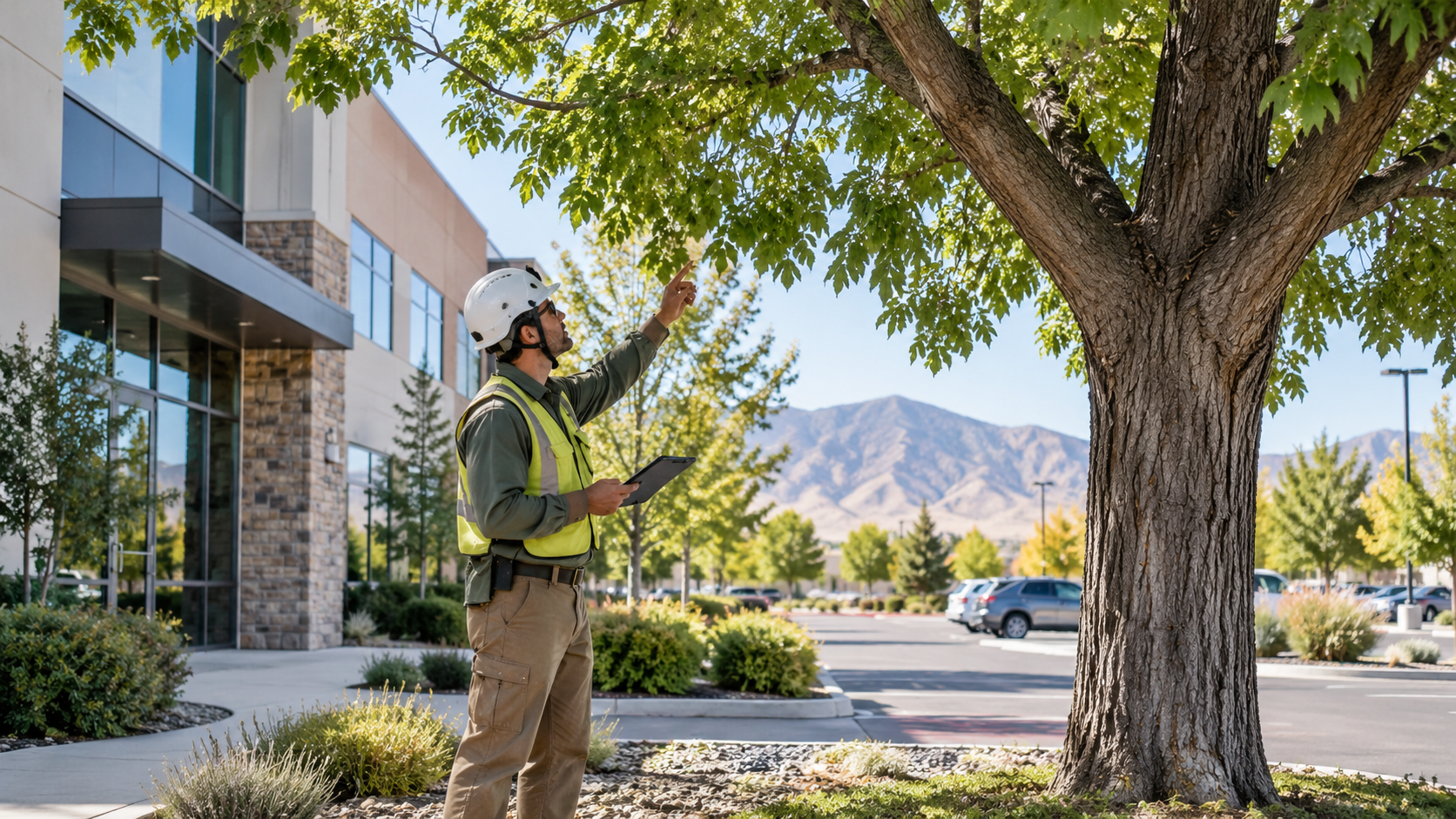
Once removal appears appropriate, the tree and work area need to be evaluated.
Factors that may affect the removal plan include:
- Tree size and condition
- Trunk and branch structure
- Nearby homes or buildings
- Fences and landscaping
- Roads, sidewalks, or driveways
- Utility lines
- Access for workers and equipment
- Available space for lowering or moving tree sections
- Ground conditions and terrain
A large tree in an open area may require a very different approach from a declining tree located between a house and a fence.
Evaluating the tree, surrounding structures, access, and potential hazards helps determine which removal method is appropriate for the property.
Step 3: Plan the Removal Method
Professional tree removal is not always a matter of cutting a tree at the base and letting it fall.
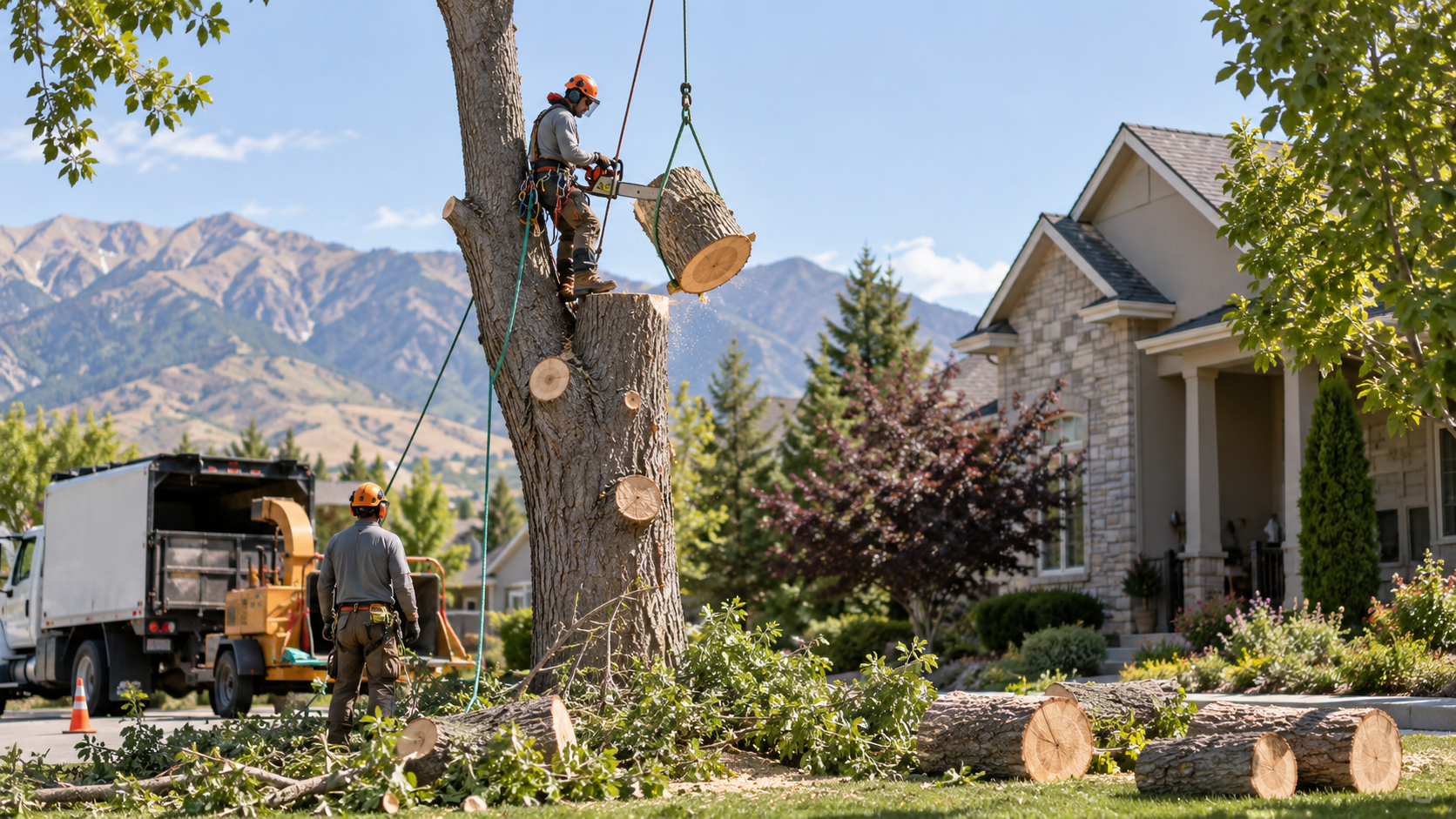
Depending on the property, a tree may need to be removed in sections. Professionals may use climbing, rigging, specialized equipment, or other techniques to control how branches and sections of wood reach the ground.
Peterson Tree Care also offers crane services and specializes in high-risk trimming and removal.
The appropriate approach depends on the tree’s condition, size, location, surrounding structures, and available access.
Will Every Tree Need a Crane?
No. A crane is not necessary for every tree removal.
Some trees can be removed using climbing, rigging, or other techniques. Crane assistance may be appropriate for certain large, difficult, or high-risk removals.
Peterson Tree Care offers crane services, but whether a crane is appropriate depends on the conditions of the individual job.
Step 4: Prepare the Work Area
Before removal begins, the work area may need to be cleared so the crew can access the tree and move tree material safely.
Follow any preparation instructions provided before the appointment.
Depending on the property, homeowners may be asked to move:
- Vehicles
- Patio furniture
- Toys
- Portable decorations
- Garden equipment
- Other movable objects near the work area
Access requirements vary by property and removal method, so ask what needs to be moved beforehand.
Pets and household members should also remain away from the active work area while tree removal is underway.
Step 5: Remove Branches and Tree Sections
Once work begins, the sequence depends on the individual tree.
During a sectional removal, workers may remove branches first and then dismantle larger portions of the trunk. Rigging may be used when branches or sections of wood need to be controlled while they are lowered.
Other trees may be removed using different felling or equipment-assisted techniques.
The important point for homeowners is that professional tree removal should be planned around the tree and property rather than using one method for every job.
Step 6: Handle Cleanup, Wood, and Debris
Tree removal produces branches, logs, and other woody material that need to be addressed once the tree comes down.
The exact cleanup and material-handling process can vary by job, so homeowners should clarify what their estimate includes before work begins.
Useful questions include:
- Will branches and wood be removed from the property?
- What cleanup is included?
- Will larger logs remain?
- Is stump grinding included or separate?
- Is there anything the homeowner needs to handle afterward?
Clarifying these details beforehand can prevent confusion after the tree has been removed.
What Happens to the Stump?
Removing the tree does not necessarily mean the stump is removed at the same time.
Peterson Tree Care provides stump grinding. Stump grinding can be completed after tree removal when the homeowner wants the remaining stump reduced below ground level.
If you want the stump addressed, ask about stump grinding while discussing the tree removal estimate rather than assuming it is automatically included.
How Should Homeowners Prepare Before Tree Removal?
Preparation depends on the tree and property.
Before the scheduled work, make sure you understand:
- Which tree or trees are being removed
- Whether stump grinding is included
- How the crew will access the property
- Whether vehicles or objects need to be moved
- What cleanup is included
- Whether utilities or public property are involved
- Whether permits or other approvals are required
Permit requirements can vary based on the property, tree location, ownership, and local rules. Trees near park strips, public rights-of-way, utility easements, or other regulated areas may require additional review before work begins.
Peterson Tree Care also has a guide explaining tree removal permit considerations in Utah.
What If the Tree Is Near Power Lines?
Trees near electrical lines require additional precautions.
Homeowners should not attempt to remove or prune trees near energized utility lines themselves.
If utility lines are involved, determine who manages the affected lines and what steps are required before work begins.
Peterson Tree Care provides municipality line-clearance services with certified line-clearance operators.
What If the Tree Is Damaged After a Storm?
Storm-damaged trees can require a different response from routine tree removal.
Broken limbs may be under tension, partially failed trees can be unstable, and downed trees may interact with buildings or utility lines.
Stay away from unstable trees and damaged electrical lines and contact the appropriate utility or emergency service when necessary.
Peterson Tree Care provides emergency and storm-related tree services and specializes in high-risk trimming and removal.
How Long Does Tree Removal Take?
There is no single timeline that applies to every tree removal project.
The time required can depend on:
- Tree size
- Tree condition
- Location
- Access
- Nearby structures
- Equipment requirements
- Complexity of the removal
- Number of trees
- Cleanup requirements
Removing a tree in an open area may be considerably different from dismantling a large tree beside a home.
Ask about the expected scope and timing when receiving an estimate rather than relying on a general timeline.
Should You Remove a Tree Yourself?
Large-tree removal can be dangerous.
Heavy branches, chainsaws, climbing, rigging, structural defects, nearby buildings, and utility lines can all complicate the work.
Large trees, storm-damaged trees, trees near structures, climbing work, and trees near utility lines are situations where professional tree care is particularly important.
Even a tree that appears straightforward from the ground may have decay, lean, structural defects, or branch weight that complicates the removal.
Tree Removal in Utah County
Peterson Tree Care provides tree removal for residential, commercial, and municipal properties and serves customers throughout Utah County and surrounding communities.
Its services also include stump grinding, crane services, tree health consultations, high-risk trimming and removal, and emergency and storm-related tree work.
For homeowners, the tree removal process begins with understanding the tree and the property around it. From there, the removal method can be planned around access, hazards, surrounding structures, and the equipment needed for the specific job.
Knowing what to expect can make the process easier to plan and help you ask the right questions before work begins.
Need Help With a Tree on Your Property?
If you are unsure whether a tree needs to be removed, Peterson Tree Care can evaluate its condition and discuss the appropriate next step.
Contact Peterson Tree Care today to request a free estimate for professional tree removal in Utah County.